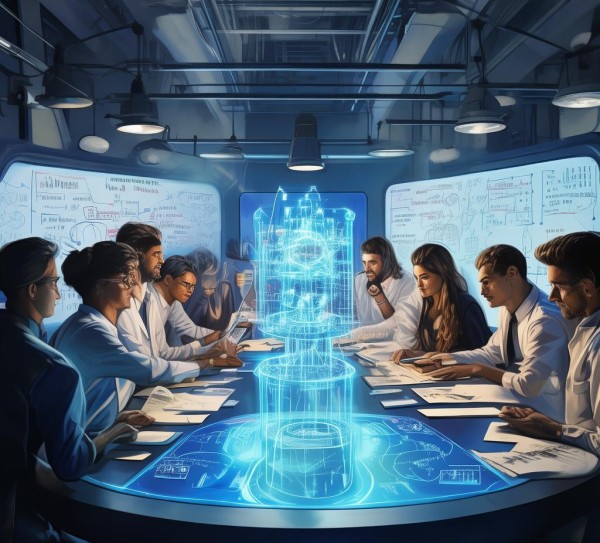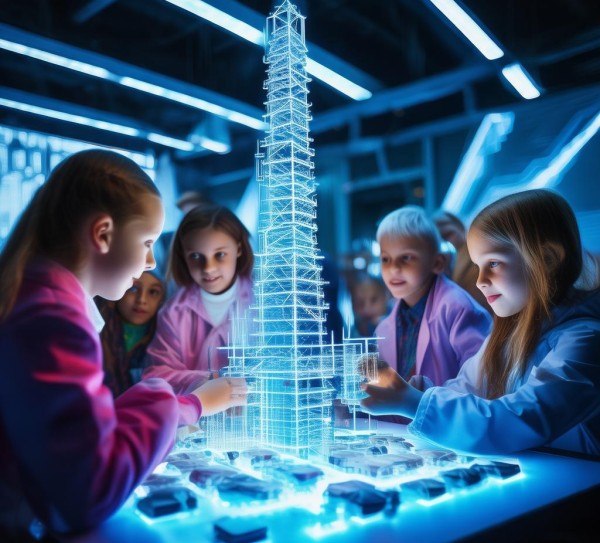

In an era where science and technology are integral to modern life, schools play a pivotal role in nurturing the next generation of innovative thinkers. This article explores a science innovation challenge designed to engage students, foster creativity, and empower them with essential skills. Through hands-on activities, teamwork, and critical thinking, this initiative not only enhances their scientific knowledge but also prepares them for future challenges.
The Challenge: A hands-on approach to education
The science innovation challenge is an innovative approach to education that combines creativity with practical learning. This activity is designed to engage students in real-world problem-solving, encouraging them to think outside the box and apply their scientific knowledge in creative ways. By participating in this challenge, students will not only deepen their understanding of scientific concepts but also develop essential skills such as innovation, teamwork, and creativity.
Structure and Details of the Activity
Objective:
The primary objective of this challenge is to encourage students to think creatively, develop problem-solving skills, and apply scientific knowledge to real-world scenarios. Students will work in teams to design, build, and test innovative solutions to a variety of scientific problems.
Activity Content:
- Programming Competitions: Students will use programming languages like Python or JavaScript to create simulations, models, and interactive applications. This activity will help them develop logical thinking and computational creativity.
- Robotics and Automation: Students will build robots using kits or online resources, focusing on precision, speed, and adaptability. This will enhance their engineering skills and understanding of automation.
- Electronic Devices Modification: Students will experiment with different electronic components to create functional devices or circuits. This will improve their technical skills and understanding of electronics.
- Science Experiments: Through hands-on experiments, students will test hypotheses, collect data, and draw conclusions. This will deepen their understanding of scientific principles and encourage critical thinking.
Activity Form:
The challenge is designed to be flexible, allowing students to choose which activity they want to focus on. It is structured to accommodate different learning styles and abilities, ensuring inclusivity and differentiation.
Learning Outcomes:
- Students will develop a deeper understanding of scientific concepts through hands-on exploration.
- They will enhance their problem-solving and critical thinking skills.
- They will learn to work collaboratively in teams, fostering teamwork and communication skills.
- The challenge will inspire students to pursue further studies or careers in science, technology, engineering, and mathematics.
Participating Students and Teachers:
This challenge is open to all students in grades 6 to 12, encouraging participation from schools across the region. Teachers are encouraged to organize the event in a fun and engaging way, using various materials and resources to make the activity enjoyable and educational.
Expected Outcomes:
By the end of the challenge, students will have:
- Designed innovative solutions to practical problems.
- Demonstrated enhanced creativity and technical skills.
3.Developed a deeper appreciation for the importance of science and technology in daily life.
The school will also receive feedback from teachers and students, which will be used to refine future activities and ensure the most effective learning experiences for all participants.
The Impact of the Activity:
This science innovation challenge has the potential to make a significant difference in students' lives. By engaging them in hands-on, interactive learning, the activity will not only improve their academic performance but also prepare them for future challenges in a technology-driven world. Additionally, the event will foster a love for learning and encourage students to pursue careers in science, technology, engineering, and mathematics.
Conclusion:
The science innovation challenge is an exciting way to inspire students to think creatively and apply their knowledge in real-world scenarios. By providing a hands-on, interactive experience, the activity will not only enhance students' skills but also equip them with the confidence to tackle complex problems in the future. This initiative is a testament to the importance of science education and the role that technology plays in shaping the future of learning.