

Abstract:
Agricultural innovation is a cornerstone of modern society, driving food security, productivity, and global economic growth. With the advent of advanced technologies, the field of agricultural development has expanded significantly, offering unprecedented opportunities for sustainable food production and food security. This article explores the evolution of agricultural technology, its applications, challenges, and future trends, providing insights into how these technologies will shape the future of food production and food security.
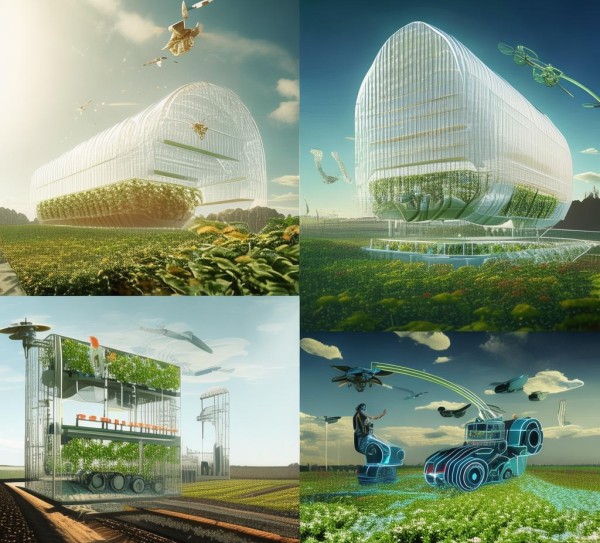
Introduction:
In the past century, agriculture has become the backbone of global food supply. From the fertile soil of the Earth to the sophisticated technology of modern farming, the agricultural sector has undergone remarkable transformations. Today, agricultural innovation continues to be a driving force in the modern world, with advancements in technology enabling more efficient, sustainable, and resilient food production systems. This article delves into the key aspects of agricultural technology, its applications, challenges, and future directions, offering a comprehensive overview of the field.
Technological Advancements in Agricultural Innovation
Agricultural technology has evolved rapidly in recent years, driven by advancements in artificial intelligence (AI), big data, and the Internet of Things (IoT). These technologies have enabled farmers and agricultural professionals to make unprecedented improvements in crop yields, food quality, and energy efficiency.
-
AI and Machine Learning in Crop Management:
AI-powered systems are being integrated into agricultural networks to optimize crop management. These systems yze vast amounts of data about soil conditions, weather patterns, and pest outbreaks to predict yields and reduce stress on crops. Machine learning algorithms enable these systems to learn from historical data, improving their accuracy over time. -
Big Data and Precision Agriculture:
Big data technologies are revolutionizing precision agriculture. By collecting and yzing large datasets on soil moisture, nutrient levels, weather, and pest activity, agricultural professionals can make more informed decisions. This precision allows for the optimization of crop yields, reduced water use, and minimized environmental impact. -
IoT for Precision Farming:
The Internet of Things (IoT) is transforming precision farming by enabling real-time monitoring of crop health, soil health, and water resources. IoT devices, such as sensors, cameras, and IoT-enabled systems, provide farmers with immediate feedback, allowing them to adjust their operations more efficiently.
Applications of Agricultural Technology
Agricultural technology has a wide range of applications, spanning from crop production and livestock management to food distribution and storage.
-
Crops and Food Security:
Agricultural technology has made significant strides in improving crop yields and sustainability. From sustainable agriculture to food security research, these technologies are addressing global challenges such as climate change, water scarcity, and food inflation. -
Livestock and Food Production:
Agricultural technology is also transforming the food production chain, particularly for livestock and livestock products. Advances in cloning, gene editing, and biocontrol technologies are enhancing the efficiency and sustainability of livestock farming. -
Food Quality and Safety:
Agricultural technology is playing a critical role in ensuring food safety and quality. From organic farming practices to advanced quality control systems, these technologies are reducing foodborne diseases and ensuring food safety in the face of increasing environmental challenges. -
Food Distribution and Logistics:
Agricultural technology is also revolutionizing food distribution systems. From art farming to real-time tracking of food packages, these technologies are enabling faster and more efficient food delivery, reducing food waste and improving supply chain resilience.
Challenges and Limitations of Agricultural Technology
Despite the rapid advancements in agricultural technology, challenges remain.
-
Cost and Accessibility:
One of the biggest challenges is the high cost of adopting new technologies, particularly in developing countries. Access to advanced agricultural equipment, software, and training is often limited, which hinders the adoption of these technologies. -
Data Privacy and Security:
The increasing reliance on big data in agriculture raises concerns about data privacy and security. There is a risk of data breaches, cyber threats, and the misuse of sensitive information by agricultural professionals. -
Ethical and Social Considerations:
Agricultural technology, while technically advanced, raises ethical and social questions. Issues such as food inequality, environmental degradation, and human rights concerns must be addressed to ensure that technology is used responsibly and equitably.
Future Trends in Agricultural Technology
Looking ahead, agricultural technology will continue to evolve, driven by advancements in AI, machine learning, and IoT. The future of agriculture is likely to be characterized by greater efficiency, sustainability, and resilience.
-
AI-Driven Precision Agriculture:
AI will continue to shape precision agriculture, enabling farmers to make data-driven decisions and optimize crop yields. As AI systems become more sophisticated, they could become even more powerful tools for improving agriculture. -
Sustainable Agriculture and Food Security:
The field of sustainable agriculture will remain central to the future of agricultural technology. Advances in organic farming, biocontrol, and resistance-based farming will continue to address global challenges such as food inflation and climate change. -
IoT and art Farming:
The integration of IoT and art farming technologies will further enhance the efficiency and sustainability of agricultural systems. Real-time data from IoT devices will allow farmers to make informed decisions and optimize their operations. -
Genetic Innovations:
Genetic research and crop improvement will continue to drive advancements in agricultural technology. Developments in gene editing, cloning, and plant breeding will enable the production of more resilient and sustainable crops.
Conclusion:
Agricultural technology is at the forefront of modern society, driving food security, sustainability, and technological progress. As the field continues to evolve, it will play a critical role in addressing global challenges such as climate change, food inflation, and environmental degradation. The future of agriculture is one of opportunity and innovation, where advanced technologies will enable farmers and agricultural professionals to create a more efficient, sustainable, and resilient food production system.
This article provides an overview of the key aspects of agricultural technology, its applications, challenges, and future trends. It highlights the importance of investing in and advancing agricultural technology to address global challenges and ensure food security for future generations.