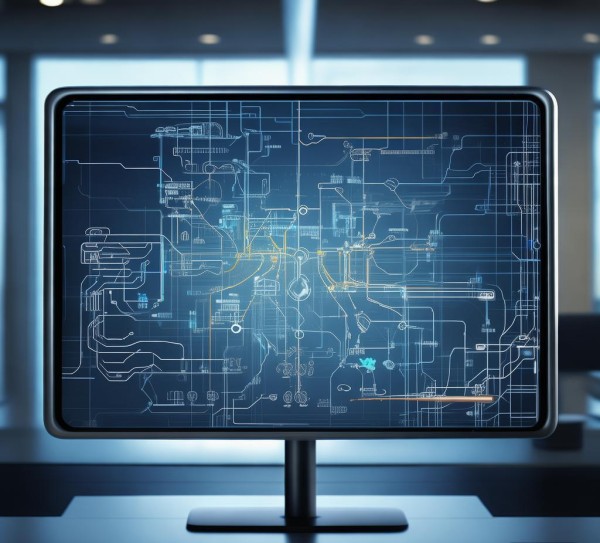

工业体系是人类社会发展的基石,它 encompass from raw material collection, processing to product manufacturing, distribution, and customer service, forming a complete system that powers the entire industry. This framework is vital for driving innovation and progress, while also setting the stage for future challenges. In this lecture, we explore the relationship between industrial systems and technology, focusing on how technological advancements are reshaping the industry.
-
供应链: From raw materials to finished products, the supply chain is the backbone of any industrial system. As the volume of goods and services increases, the efficiency and reliability of this system become increasingly critical.
-
Data Infrastructure: The ability to collect, manage, and yze data is essential for optimizing production processes. However, the exponential growth of data has posed significant challenges, particularly in ensuring data privacy and security.
-
Energy System: The operational and distribution of energy are pivotal for maintaining the performance and sustainability of industrial systems. The transition to renewable energy and the need for energy efficiency are becoming more prominent as industries seek to reduce their environmental impact.
Innovation in technology is not merely an extension of the current industrial framework but represents a transformative shift. Here are some key impacts of technology on industrial systems:
-
Artificial Intelligence (AI) and Machine Learning (ML): These technologies are revolutionizing production processes by enabling real-time optimization, predictive maintenance, and decision-making. For example, AI-driven robotics are enhancing food processing industries, while ML algorithms are improving supply chain management.
-
art Manufacturing: The integration of IoT (Internet of Things) and automation is driving the shift towards "art manufacturing" in industries like automotive and electronics. These systems are capable of processing raw materials, monitoring production, and delivering final products with greater accuracy.
The shift towards technology-driven industrial systems brings both opportunities and challenges:
-
Data Privacy and Security: The explosion of data demands stronger regulations and secure practices. Ensuring the protection of sensitive information while maintaining data utility is a critical issue that must be addressed.
-
Globalization and Heterogeneity: The increasing complexity of global markets and the need for companies to operate across diverse regions present significant technical and logistical hurdles. Addressing these challenges requires a deeper understanding of global industrial systems.
The future of industrial systems is poised for transformation, driven by advancements in AI, ML, and IoT. These technologies will not only enhance productivity and efficiency but also pave the way for a more sustainable and collaborative industrial ecosystem.
In the context of technological progress, the relationship between industrial systems and technology remains at the core of our development. While technology provides powerful tools to drive innovation, it must also be used responsibly to ensure the well-being of humanity. The future of industry lies in collaboration with technology, in which both parties play a constructive role.
In conclusion, the evolution of industrial systems is deeply intertwined with technological innovation. As we navigate this evolving landscape, it is essential to recognize the pivotal role of technology in shaping the future of industry. By embracing the benefits of technology while addressing its challenges, we can unlock new possibilities for progress and development.